Foundation repair
When a slab or footing cracks on a sloped lot, we look for where the water and soil movement start before we patch anything, so the repair holds.
Classic Chino Concrete and Masonry is a masonry contractor based in Chino that repairs and builds brick, block and stone work in Chino Hills, from cracked yard walls and worn chimneys to retaining walls on sloped lots.
We're based in Chino, right next door, and the work up here runs different from the flatter lots there and in Ontario. Plenty of houses sit on a slope or back up to a hill, so a lot of our calls are retaining walls, block walls along the back of the yard, steps cut into grade and the cracks that show up when the ground behind them moves.
Water and slope drive most of the job. Heavy rain comes off these hills fast enough to flood roads and start landslides, so any wall holding back soil needs drainage behind it and a footing sized for the load. That, along with the wall's height and length, how much old work has to come out and how hard it is to get material up to the spot, is what moves the price. Timing turns mostly on any permit the job needs and on the weather, because I'd rather wait out a wet week than set footings in soaked ground. A large share of the city also falls in a wildfire threat zone, which is one more reason brick, block and stone make sense here, since they don't burn. I'll come walk the lot and write the estimate, so you'll have your own number. On a hillside lot, what's happening uphill from a crack usually matters more than the crack itself, so that's where I start looking.
I come out to look at the job and write the estimate myself, and I ask a lot of questions first, because how water moves across your lot changes what the right fix is.
Our own crew does the work, not a sub you've never met, and I check on it as it goes so what gets built matches what we talked about.
When a job needs a permit, we apply with the city's Building and Safety Division and plan around its inspections. If it's unclear, we check with that office before we start.
When a slab or footing cracks on a sloped lot, we look for where the water and soil movement start before we patch anything, so the repair holds.
We rebuild cracked chimney tops, replace broken brick and repoint worn joints, and we trace where water gets in so we fix the cause, not just the stain.
We cut out worn mortar, refill the joints in a color matched to the brick and add a thin finish line, so an older wall looks sharp and sheds water again.
Cracked, flaking or loose bricks on a step, planter or wall get cut out and replaced with brick matched by size and color, so the repair blends in.
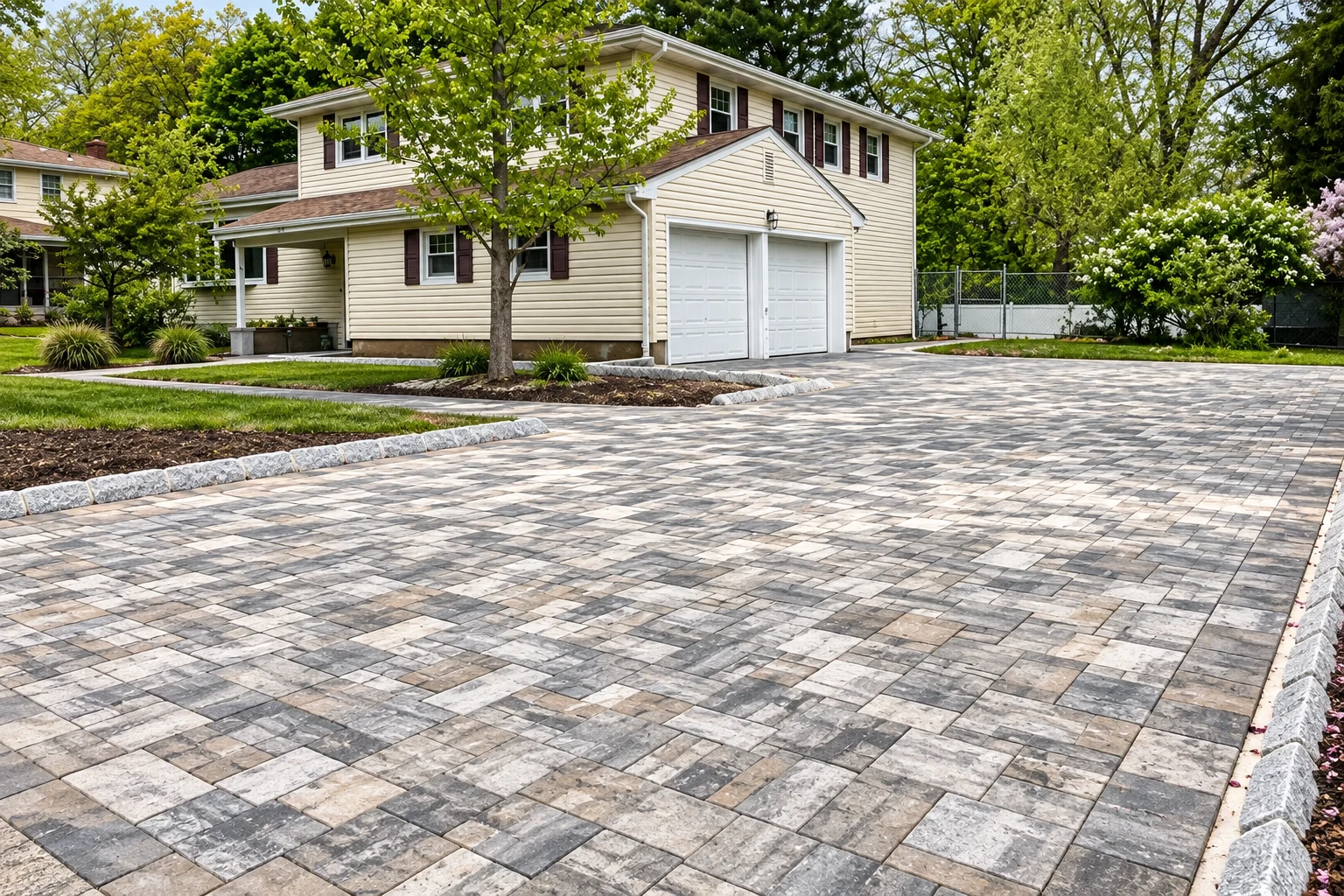
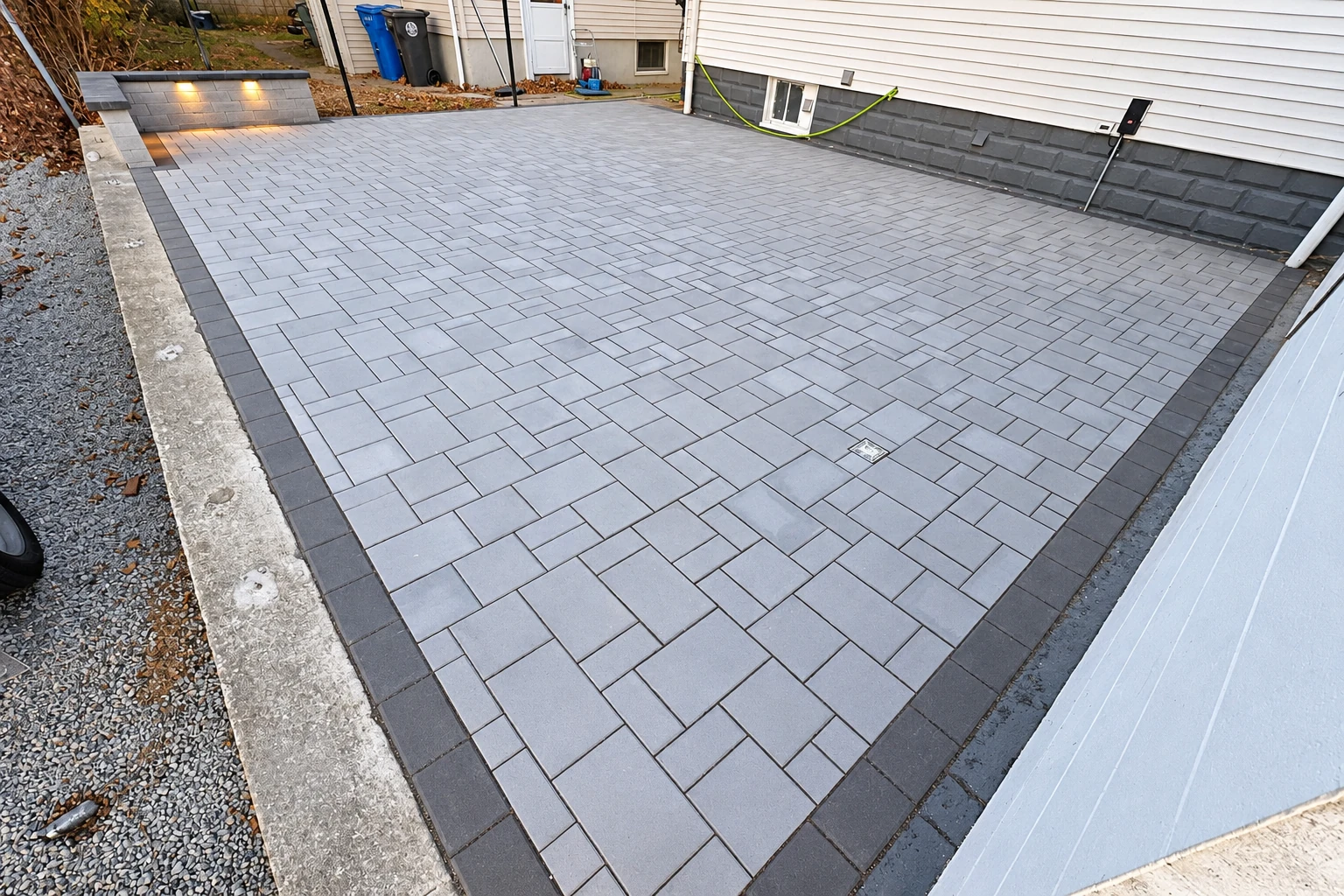
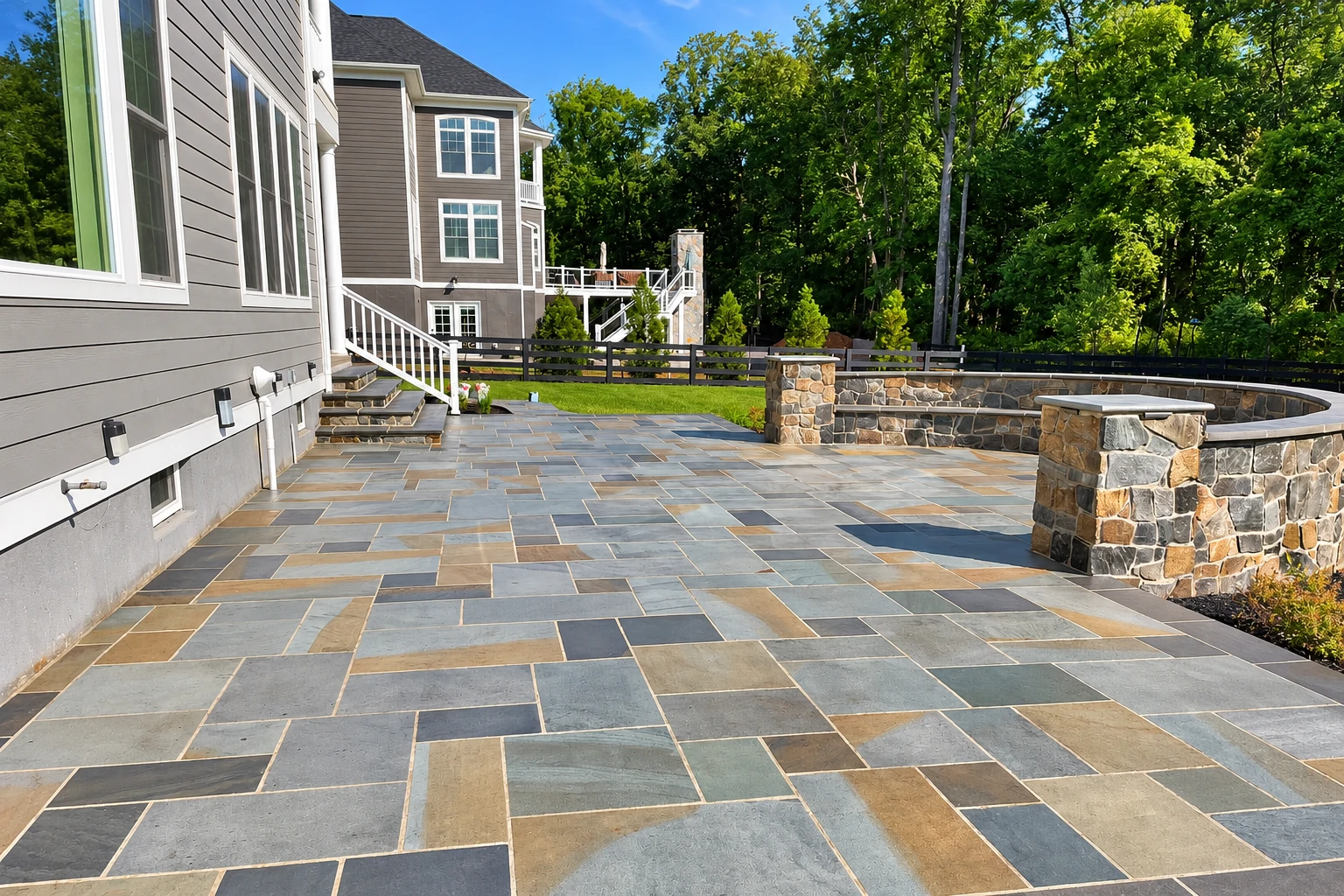
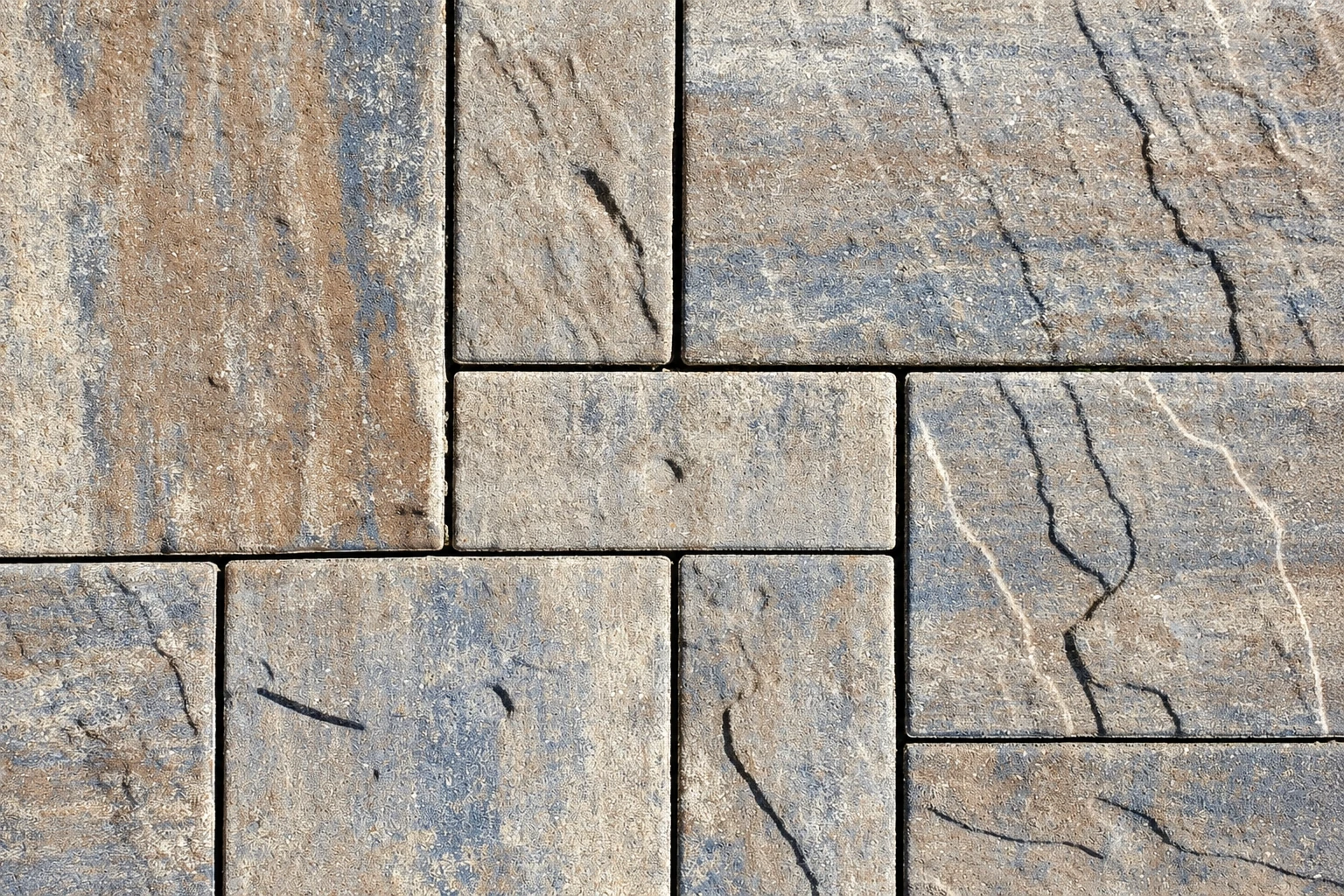
Sloped driveways need a well-packed base and solid edges so pavers don't creep downhill, and we set them so runoff heads to the street, not your garage.
We build block and stone retaining walls with drainage gravel and pipe behind them, because on hillsides it's trapped water, not the soil alone, that pushes most walls over.
Older brick and stone that's stained, cracked or badly patched gets cleaned, repaired and repointed the slow way, so it keeps its character instead of getting covered up.
We build brick and stone fireplaces indoors and out, laid out around how you use the room or patio and built to the maker's instructions for any firebox insert.
We put stone veneer on walls, columns and fireplace fronts over a proper backing with a gap for water to drain, because veneer that traps moisture loosens over time.
Property-line and yard walls in block, with steel and grout in the cells and a footing sized for the height, finished in stucco, cap block or split-face.
We lay block stem walls and foundation walls for additions and outbuildings on a footing poured to the plans, so the structure above starts out level and square.
Grill islands, counters and bars in block, brick or stone, with the gas and electrical runs planned before we lay a course, so nothing gets cut out later.
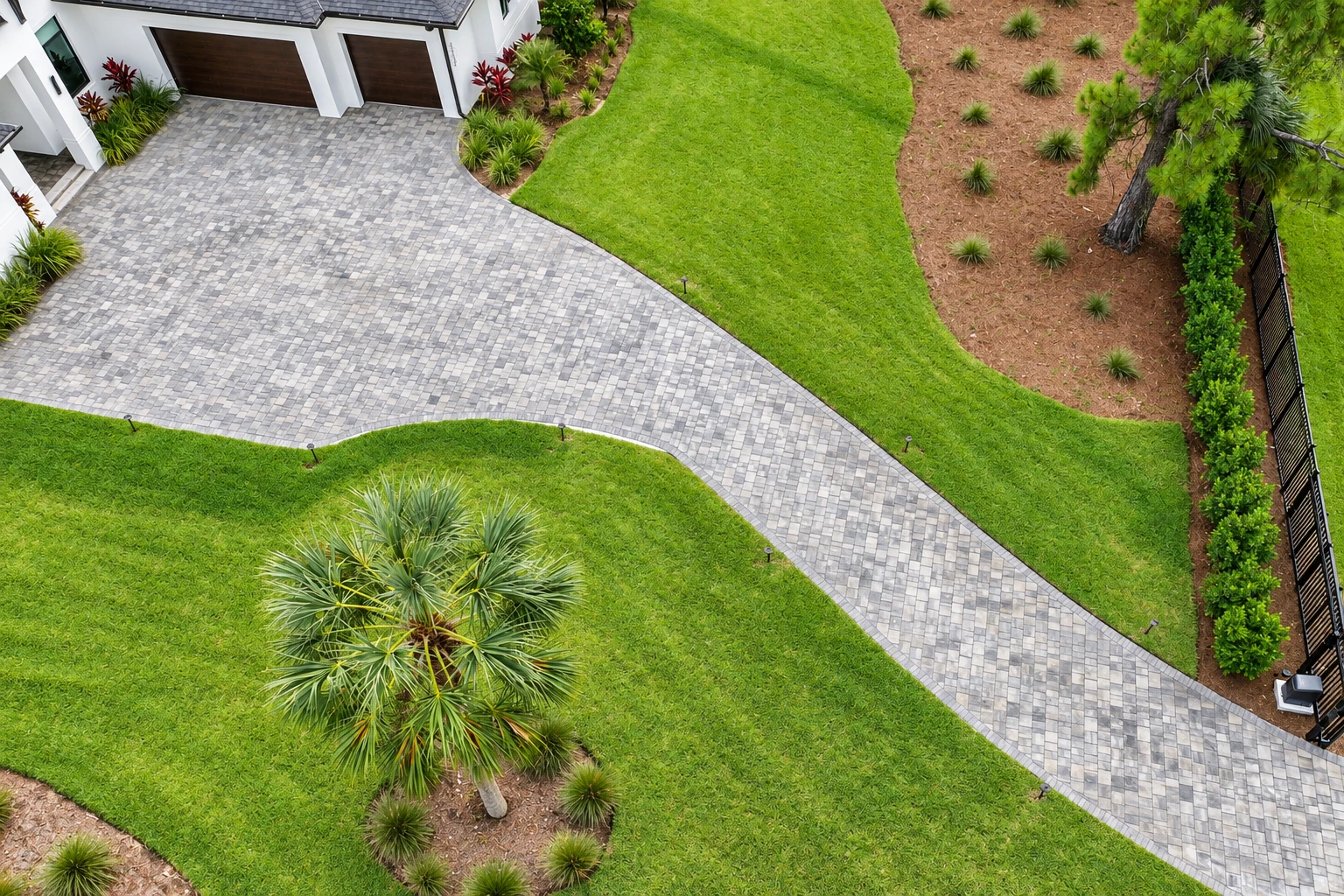
Paths and steps in brick, pavers, stone or concrete, laid with a slight pitch to shed water and steps sized for easy climbing on sloped side yards.
Garden walls, planters and columns in brick, built on a real footing with joints tooled to shed rain, so the wall stays straight and tight as it ages.
We lay natural stone for walls, steps, columns and borders, fitting each piece by hand so the joints stay tight and the weight sits where the stone wants it.
When mortar joints are sandy or recessed but the brick is sound, we rake them out and repoint them, which costs much less than rebuilding and keeps water out.
Send the form and we'll reply within one business day to set a time. I'll come out, look at the job and write your estimate, free and with no obligation.
Mention where the crack, lean or wear is and whether water runs toward it after a rain. That gives me a head start on the questions I'll ask on site.
If you'd rather talk than type, call (909) 479-6261. Our hours are Monday through Friday from 6 AM to 9 PM and weekends from 7 AM to 9 PM.
Brick and stone have a lot of life in them when they're treated right, and the work our crew does at your house is backed by our satisfaction guarantee.
Straight answers on permits, licensing and hillside ground for Chino Hills homeowners planning a wall, a repair or a walkway.
Usually, since the city exempts only low walls that meet every condition on its list of work exempt from permits. That means a wall up to 4 feet tall, or a retaining wall holding under 3 feet of soil, on ground gentler than 4 to 1, with no building bearing on it and every part over 5 feet from a property line. Miss any one and we apply for the permit.
Usually yes, because California requires a license from the Contractors State License Board to build or alter a structure when the job needs a building permit, uses employee labor, or its contracts total $1,000 or more in labor and materials. Most masonry work meets at least one of those. We're licensed and insured, so ask any contractor you're weighing to show you theirs.
You may, because the city requires a permit from the building official before grading or excavation of any kind, apart from the work it lists as exempt. A grading permit is issued only after the project has its zoning and other required approvals, which can add time before we dig. When it isn't clear, we check with the building office before we start.
Yes, work in the public right-of-way, such as sidewalks, curbs, gutters and streets, needs an encroachment permit from the city. If a driveway paver or walkway job reaches the sidewalk or curb at the street, we apply for that permit along with any other the job needs, and the city takes those applications online.
We're based in Chino and work in the cities listed here, among others. If you're nearby and don't see your city, give us a call at (909) 479-6261 and ask.
A crack or a leaning wall is usually simpler to fix while it's small, so call (909) 479-6261 or send the form.