Foundation repair
Stair-step cracks in a block wall or brick step usually start at the footing, so we dig down, find what moved and fix it before touching the masonry above.
Classic Chino Concrete and Masonry is a masonry contractor based in Chino that repairs and builds brick, block and stone in West Covina, from cracked walls and worn mortar joints to new retaining walls, walkways and outdoor kitchens.
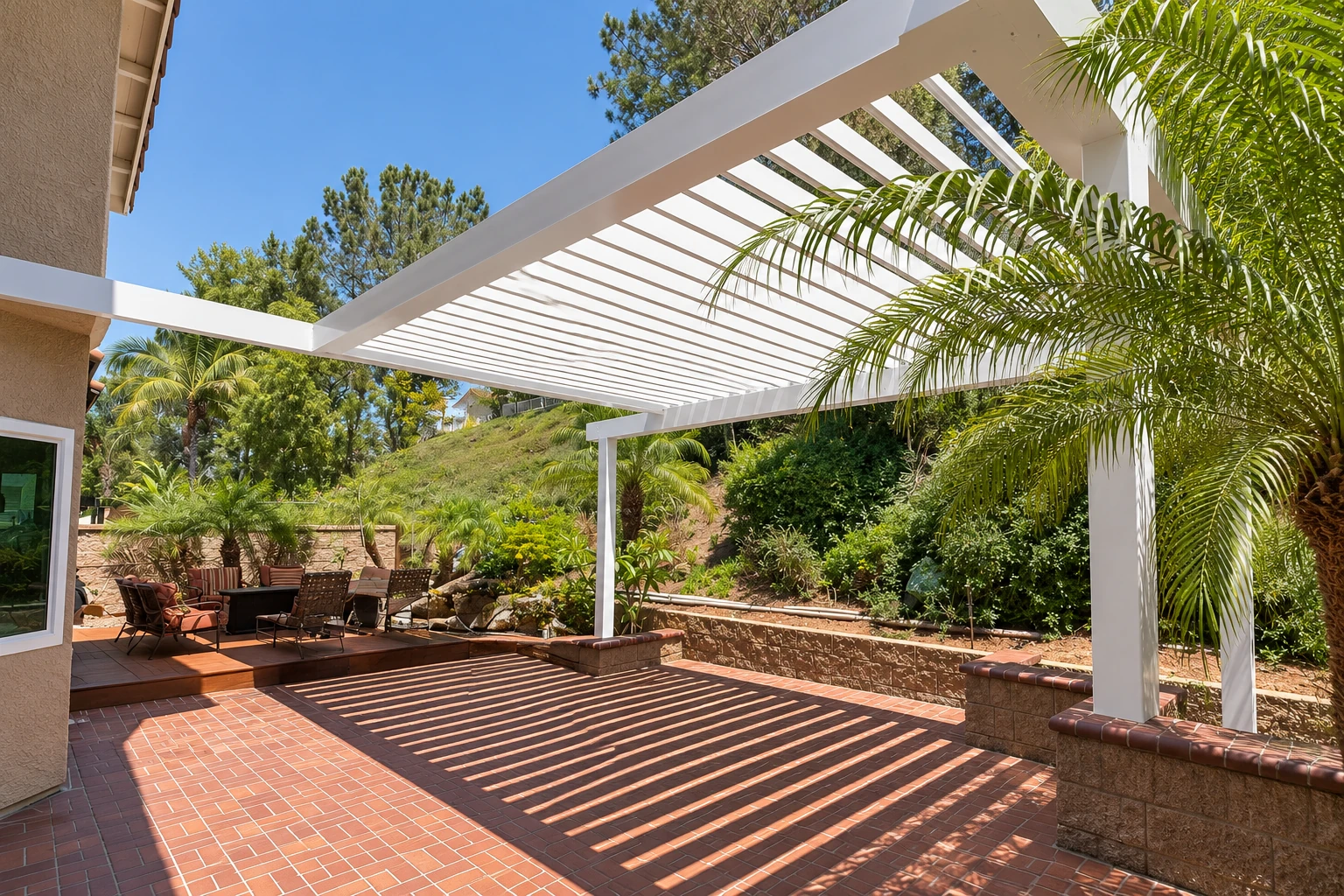
West Covina is a short drive from us in Chino, and it's one of the cities around it where I come out to look at jobs, along with Covina next door and Rancho Cucamonga farther east. Away from the shopping along the 10 freeway, it's mostly houses, on flat valley blocks and on streets that climb toward the San Jose Hills. A lot of them are older single-story homes with brick planters, block walls between yards and a chimney that's seen plenty of weather, and the sloped lots usually have a retaining wall holding the yard up.
What moves the price is mostly the size and height of the work, how easy it is to get material into your yard, how much old masonry has to come out first, and whether you want brick, block or stone. The schedule turns on whether the city needs a permit, Planning approval or inspections, and on the weather for pouring footings. You get your own figure in the estimate I write after seeing the job. On a hillside lot, what the wall is holding back and where the water drains usually matter more than the face you see.
Before we patch a crack or a worn joint, I want to know why it happened, whether it's water, a settling footing or the wrong mortar, because a patch over the cause usually cracks again.
The city's Building Division issues permits. When a job needs one, we apply for it and plan around the inspections, and if it's unclear, we check with the building office before we start.
I learned masonry on other masons' crews and started this business in Chino in 2017. The jobs that take some figuring, like cracked walls, worn joints and tired chimneys, are what we're known for.
Stair-step cracks in a block wall or brick step usually start at the footing, so we dig down, find what moved and fix it before touching the masonry above.
Older brick chimneys take years of sun and winter rain, so we check the cap on top, the joints and the roof line before deciding what to rebuild.
When mortar joints go sandy, we grind out the worn mortar to an even depth and pack in new mortar matched to the brick so the wall sheds water again.
Bricks with flaking faces or cracks on porches, planters and walls get cut out and replaced with brick matched for size and color, so the repair blends in.
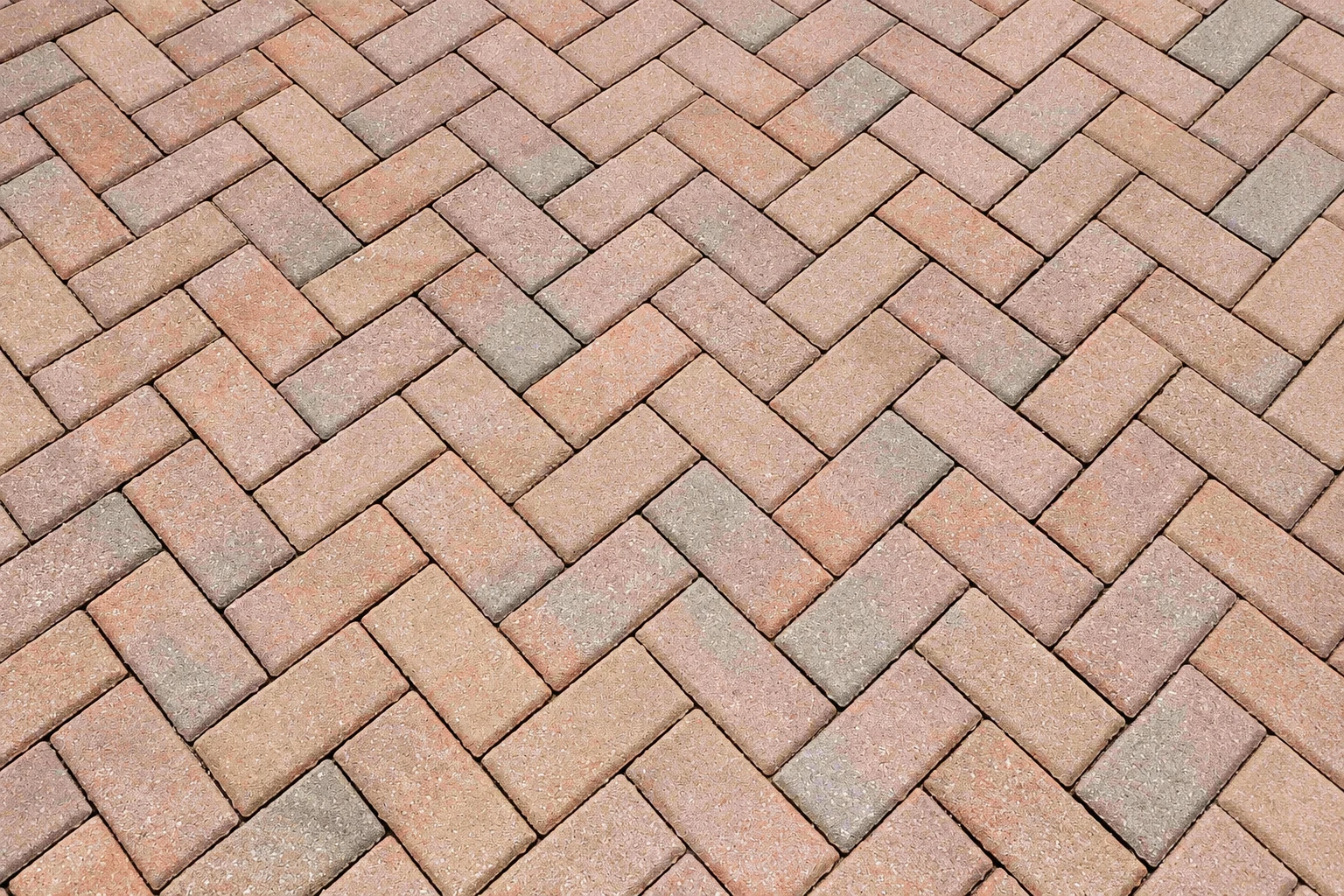
We dig out the old driveway, compact a gravel base thick enough for cars and set the pavers inside solid edging, so the pattern stays tight where tires turn.
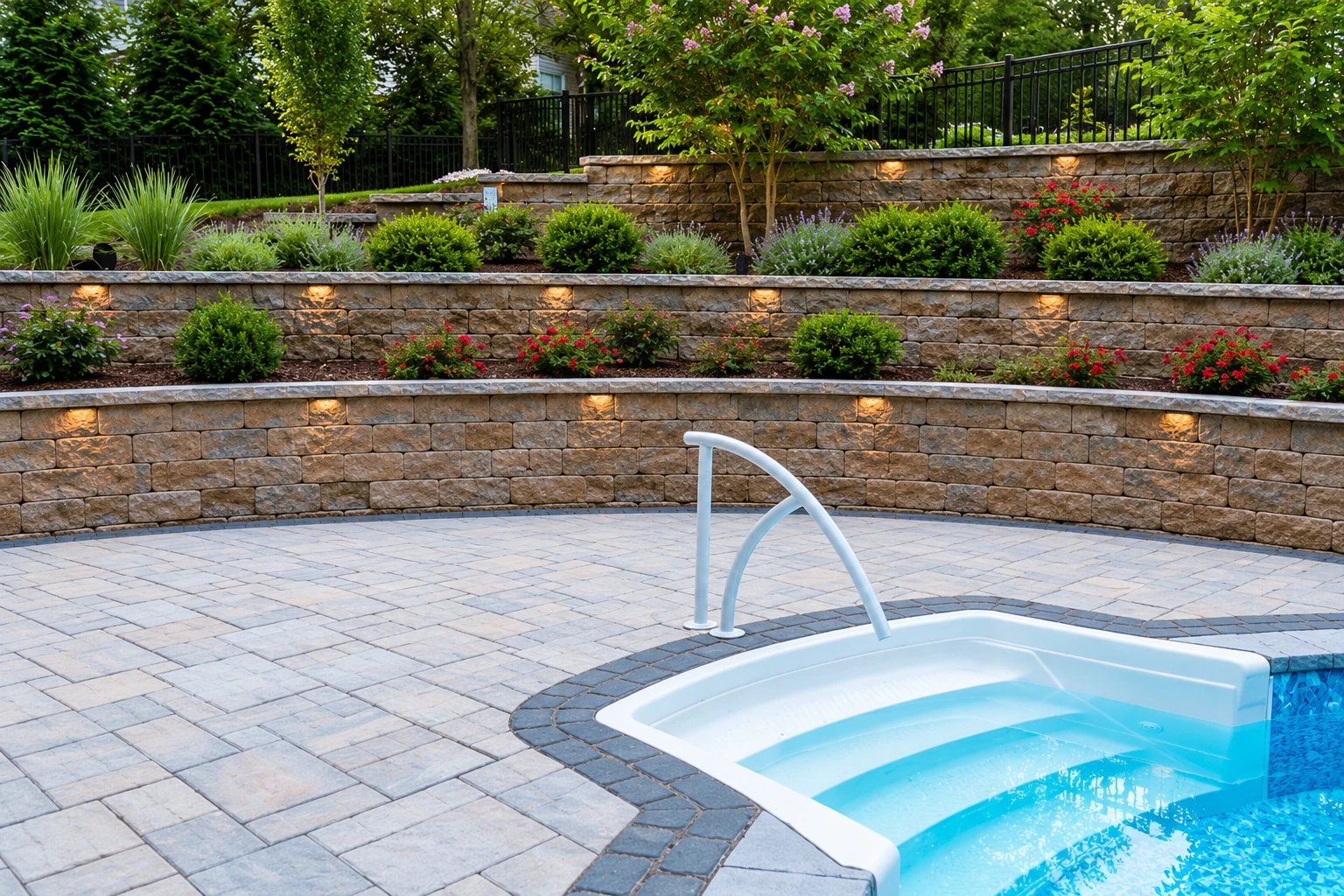
On sloped lots, a wall holding up a yard needs a solid footing and drainage behind it, so we plan both before the first block goes down.
For older brick and stone that's stained, cracked or patched badly, we clean it gently, take out the bad repairs and rebuild what's needed to match the original.
We build masonry fireplaces and surrounds in brick or stone, working out the firebox, the hearth and how it ties into the chimney before any material shows up.
Thin stone over a house wall or column needs solid backing and a path for water to drain, so we get the wall ready before any stone goes up.
Block walls between yards and along the street go on a poured footing with steel and grout in the hollow cells, so they're built to stay upright.
When an addition or garage needs a block stem wall, the short wall the framing sits on, we lay it level and reinforced on a footing sized for the load.
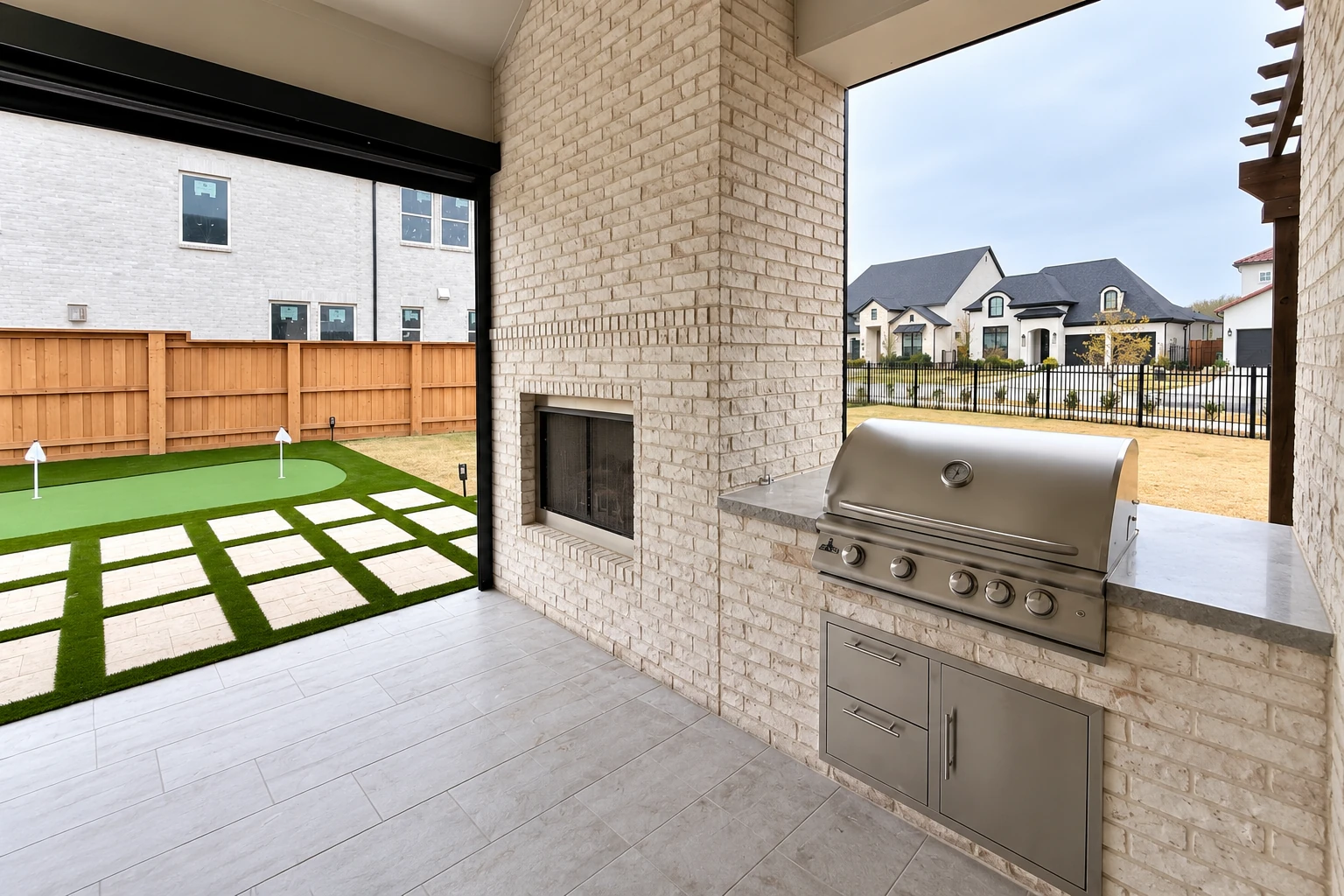
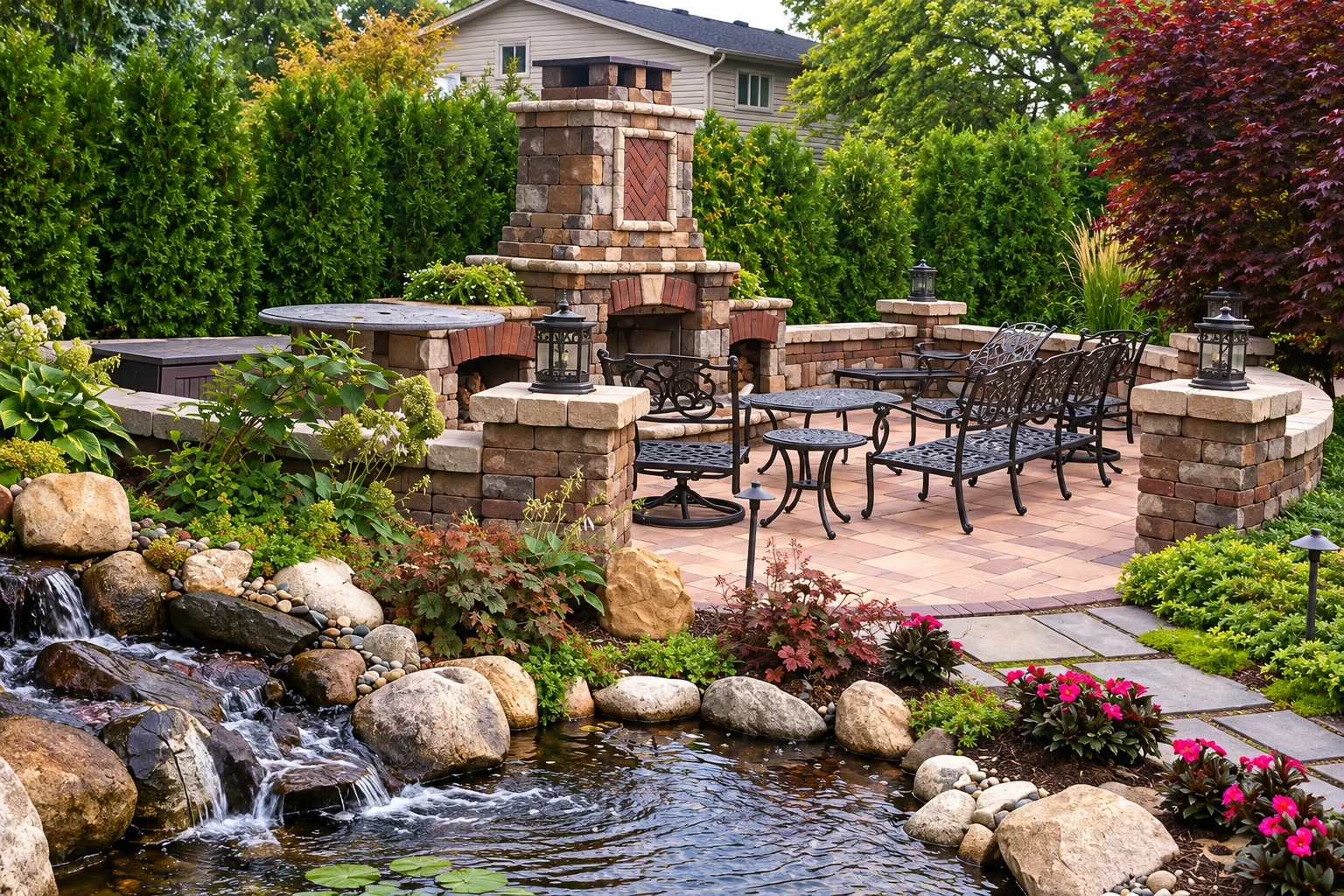
We build the block or stone base for grills, counters and bars, and leave room for gas, power and water lines other trades run, so nothing gets cut into later.
Front walks and side-yard paths get a compacted base and a slight slope away from the house, so water runs off instead of pooling against your foundation.
New brick garden walls, planters and columns go up on a proper footing with mortar suited to the brick, laid to line up with the house.
Natural stone walls, steps and facings take more fitting than block, so we sort and shape each stone on site to get tight joints and a wall that sits solid.
For a few cracked joints on a planter or garden wall, we point just those joints with mortar matched to the old color and strength instead of redoing the wall.
Send the form and we'll reply within one business day to set up a visit. I'll come out, look at the job with you and write the estimate, and you decide from there.
The on-site estimate costs you nothing and you're not committed to anything after it, so you can get our take on a cracked wall before deciding what to do.
The crew that shows up to build is ours, and I check on the job as it goes, so what we talked about at the estimate is what ends up in your yard.
We're licensed and insured, and our work is backed by our satisfaction guarantee, so you know where you stand before anyone picks up a trowel.
Here's what West Covina homeowners usually ask about permits, Planning and licenses before a wall, walk or fence goes in.
The city's list of permit-free work includes retaining walls holding back 4 feet or less, from the bottom of the footing to the top of the wall. That's true unless the wall supports extra load, like a driveway or slope above it, or holds back certain liquids. If yours is taller or carries a load, that's where the permit question comes in, and we handle it.
A masonry fence 6 feet or under is on the city's permit-free list if it isn't a barrier for a pool, spa or hot tub and sits back from the street or sidewalk at least as far as it's tall. Walks and driveways are on it too at 30 inches or less above the ground, with no basement or room below and not part of a required wheelchair route.
It can, because the city's Planning Division may still have to approve a project the Building Division doesn't permit. In some cases Planning limits where it goes and how tall it is, and sets design requirements. If there's any question about your wall or fence, call Planning at (626) 939-8422 before we start.
Yes, the city requires any business operating in West Covina, from a sole proprietor to a corporation, to get a city business license within fifteen days of starting business there. The Finance Department handles business licensing, and it's a fair thing to ask any contractor you're thinking of hiring.
We're based in Chino and work in the cities listed here and others around them. If you're nearby and don't see your city, give us a call at (909) 479-6261 and ask.
Call (909) 479-6261 or use the form, and tell us what you've noticed and when it started, so I come out with the right questions.