Checking the permit first
In Chino, the city's Development Services Department processes building and planning permit requests. If your walkway needs a permit we apply and plan around inspections, and if it's unclear we check with that office first.
Tired of a cracked path or a worn dirt track to the door? We build concrete or paver walkways sized for how your household walks.
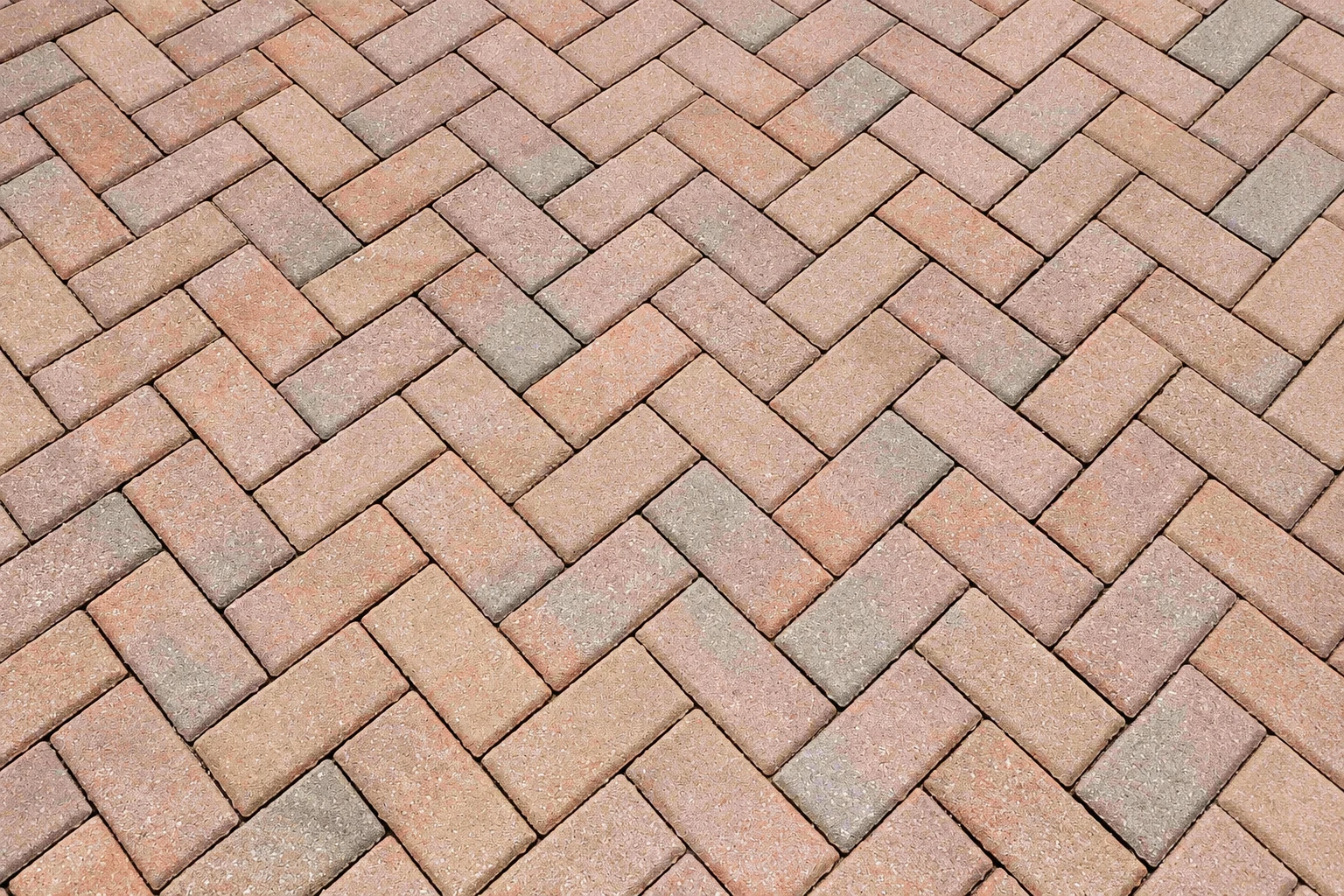
Walkway construction in Chino is building a new path from your driveway, street or patio to wherever you need to go, in either poured concrete we form, pour and finish or concrete pavers set over dug and compacted ground.
Most walkway calls I get start the same way, with a cracked old path that trips people, a line of stepping stones sinking into the lawn, or a new gate with no good way to reach it. What you'll pay mostly comes down to the path's length and width, concrete or pavers, whether it needs steps and how much old material has to come out first, and the schedule moves with those same things, especially the material. When I come out and measure the route, your estimate gives you your own number.
I come out to look at the route, ask my questions and write the estimate, so the person pricing your walkway is the same one checking on it while it's built.
The people digging, pouring and setting pavers on your walkway work for us, and I check on the job as it goes instead of handing it off and hoping.
We've been working out of Chino since 2017, after I learned the trade on other masons' crews, so I've seen plenty of paths built too narrow or edged with something that didn't hold.
I start by walking the route with you and asking who'll use it, whether that's one person headed to the mailbox, two people side by side, kids or a garden cart, because that sets the width before anything else does. Then we talk through poured concrete against pavers for your yard, and I'll tell you which way I'd lean and why. On a concrete job our crew digs out, packs the ground, sets forms, pours and finishes the surface. On a paver job we lay it out, dig and compact the soil, compact a layer of base rock, build the edges, level a bed of sand and set the pavers. The edge is the part I won't skimp on, since the paver trade group calls flat metal or plastic landscape edging unacceptable and warns that timber warps and rots, so we use a solid edge that keeps the pieces tight and locked in place.
A walkway often runs past other masonry, so it pays to plan them together. If you want a low wall along the path or a planting bed held back in brick, our brick wall installation work can be laid out at the same time, and if you'd like natural stone for a border, a step or a sitting ledge, that's stone masonry we do too.
In Chino, the city's Development Services Department processes building and planning permit requests. If your walkway needs a permit we apply and plan around inspections, and if it's unclear we check with that office first.
An older city form, which a newer one may have replaced, says to call Underground Service Alert at least 48 hours before excavating. Our digging on your walkway starts once that call has gone in.
The same city form says contractors need a current City of Chino Business License. When you're comparing contractors, it's fair to ask for that city license along with the state one.
We're based in Chino and build walkways in the cities around it, including Ontario, Chino Hills and Eastvale. If you're nearby and don't see your city on our list, give us a call and ask.
Send the form and we'll reply within one business day to set a time. I'll come out, walk the route with you and write a free on-site estimate, with no obligation to go ahead.
Pace it off or make a good guess from the house to the gate, because a rough length tells me how much digging, base and material we're talking about before I arrive.
Tell me who uses the path, whether it's you alone, two people side by side, kids or a garden cart, and the width you have in mind so far.
Say whether you're leaning toward concrete or pavers, even if you're unsure, and send photos of the route so I can spot slopes, old concrete or tight spots ahead of time.
Examples of broom-finished concrete, paver patterns and borders, and brick and stone edging to look through before we talk about your path.
Straight answers on cost, install speed, width, steps and who's allowed to build your walkway, drawn from what I'm asked most at estimates.
Installed concrete slab work in the Inland Empire usually costs about $10 to $14 per square foot, based on a regional estimate for this year. That's the going rate around here, not our quote, and it covers poured concrete, not pavers. Your own number comes once I've measured the route and seen what has to come out.
Poured concrete usually goes in faster, because it's formed, poured and finished as one piece instead of being laid and grouted one paver at a time. If a shorter install matters most, I'd lean concrete. If you want a pattern and the option to lift and reset pieces later, pavers are worth the extra time.
University extension garden guidance suggests at least three feet for one person and five to six feet for two adults walking side by side. The wider size also suits households with kids or a big garden cart. That's general advice written for gardens anywhere, so I'll ask who walks your path before we settle the width.
Anyone who does or offers construction contracting in California needs a license from the Contractors State License Board, and its concrete contractor class covers pavement and other flat concrete work. A general builder can take the job if they hold that class or subcontract to someone who does, so it's fair to ask which applies. We're licensed and insured.
No, extension garden guidance says to plan at least two where a walk needs steps, because a single step is difficult to negotiate. If your route drops, I'll look at where the change happens and whether the steps make more sense in concrete, pavers or stone.
Call Classic Chino Concrete and Masonry at (909) 479-6261 or use the form, since width and material are easiest to settle before digging.